

By Martha Scharf, DVM, DABVP (Equine), IVCA Certified
Source: Equine Disease Communication Center
Cases of screwworm infestation have been reported in isolated areas of North America for the first time in decades, raising concerns for horse owners and creating a need for continuing education about the current risks. The pest was successfully eradicated in the United States in the 1960s through the release of sterile male flies. Since then, screwworms have occasionally resurfaced in Central America and Mexico but have been controlled with regular active surveillance and animal inspection regulations. For the first time since an isolated outbreak in 2016, numerous cases have been confirmed in Texas and New Mexico. As of the end of July 2026, 42 cases had been reported in species including cattle, sheep, goats and dogs. Although the overall risk remains low at this time, federal and state animal health officials have emphasized the critical need for heightened awareness, active surveillance and rapid reporting of suspect cases.
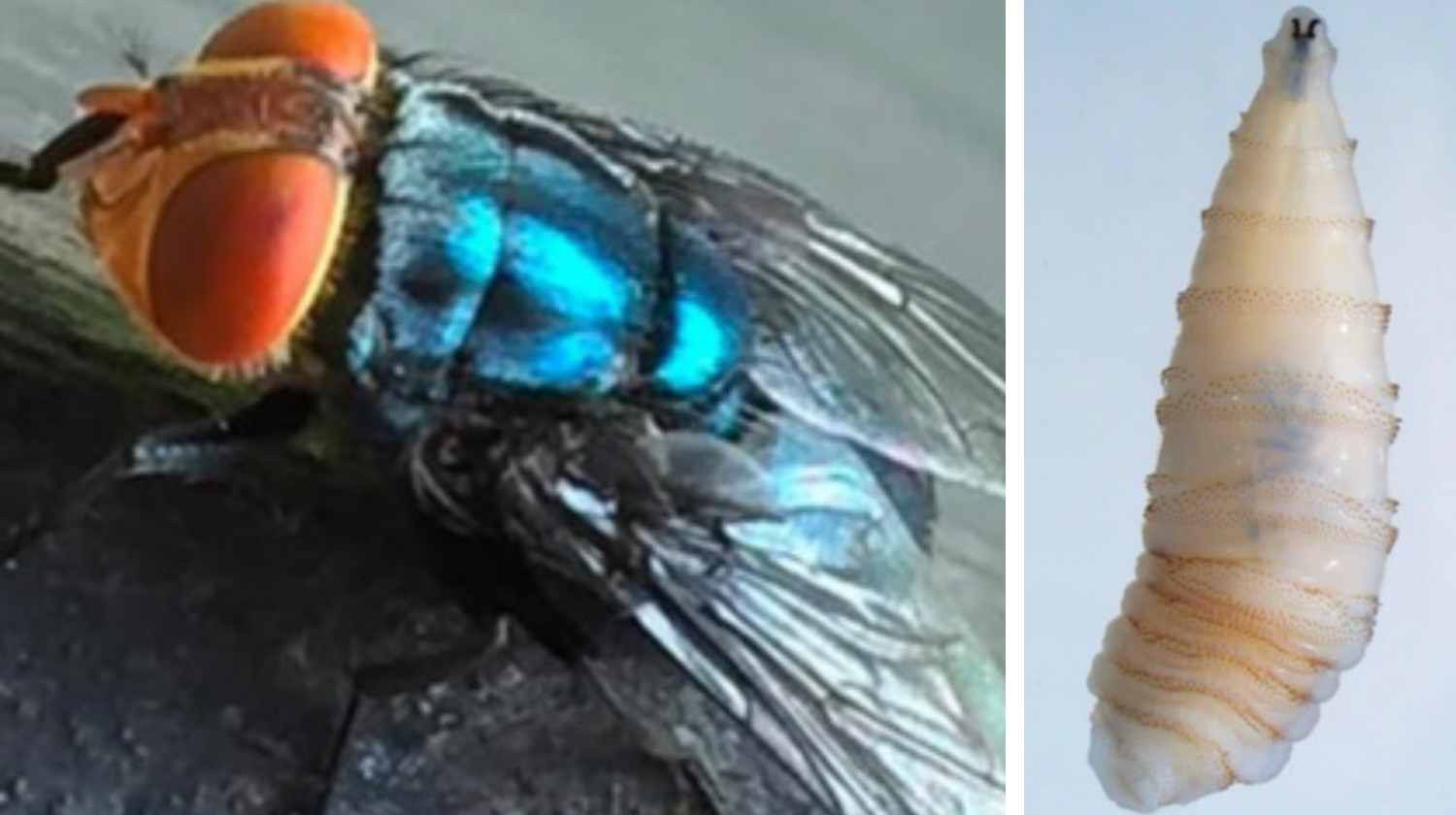
The New World screwworm (NWS, Cochliomyia hominivorax) is a parasitic fly native to the Western Hemisphere. It lays eggs in the living tissue of warm-blooded animals, including horses and humans. The flies are attracted to wounds (insect bites, tick bites, abrasions, lacerations, surgery sites, branding sites and others) and mucocutaneous junctions (body openings like the mouth, eyes, nostrils, ears, foal umbilici, anus and genitourinary areas). The female flies deposit their eggs, which then hatch into immature screwworms (larvae). The larvae then burrow into and feed on the tissue, causing severe wounds and possible death if untreated.
Current, actionable recommendations for horse owners are that horses, and especially their wounds and insect bites, should be infected daily for signs of infestation. These signs can include direct visualization of creamy white eggs at the edge or maggots in or around the wound. NWS can also manifest as evidence of a non-healing wound including lack of closure, non-resolving pain, foul odor, drainage or continued licking or biting at wounds. Additionally, persistent headshaking, restlessness or irritability should be investigated. None of these clinical signs or the presence of maggots constitutes a definitive diagnosis of NWS and, therefore, official identification is necessary for confirmation.
Animals infested with NWS should be treated according to the recommendations of a veterinarian and state and federal animal health officials. Typically, cleaning of wound andsurgical removal of all maggots is needed. The horse would then be treated with approved topical and systemic insecticides. Larvae removed from the wound must be destroyed as directed by federal or state animal health officials and not allowed to enter into the environment. Treatment of the farm may also be necessary, based on recommendations from the experts involved.
As always, fly control should be prioritized, including sprays, foggers, misters, traps, fly netting, fly parasites, stagnant water elimination and manure control. If NWS are suspected, please contact your veterinarian for immediate examination. As appropriate, reporting to state animal health officials or USDA veterinarians through official channels will follow. The animal should be completely isolated until examined and collection of larvae for inspection should be attempted if possible. Additionally, owners should use caution to protect any wounds around suspect horses and report to their physician as necessary.
For more additional information or resources including current status updates visit USDA Screwworm Website at www.screwworm.gov or the Equine Disease Communication Center at https://www.equinediseasecc.org/new-world-screwworm
